
Confessing sin before God
In Psalms 25, the God-fearing Jews of future days acknowledge their sins. What wonderful words do they say about themselves? “For the sake of Your name, LORD, Forgive my wrongdoing, for it is great.” Why? “For it is great” (v. 11). How wonderful to say such a thing to God! They could not say it to people. If a criminal asked the judge to forgive his wrongdoing because it was great, the whole court would stare at him in astonishment. They would see his request as sheer audacity. Yet what would be audacity in the world is actually the confidence of faith. That is exactly what God produces in a converted soul – sincerity of heart. A person acknowledges his sins and confesses them. He is then cleansed, not only from his sins, but from all unrighteousness (cf. 1 John 1:9).
Sincerity does not hide sin
This is something different. A work is clearly produced in the soul. Guilt is not merely removed from the soul. Sincerity also appears, and it does not hide sin.
“If we confess our sins, He is faithful and just to forgive us our sins and to cleanse us from all unrighteousness.” 1 John 1:9
Trust in God’s mercy
This sincerity is brought about by trusting in the mercy of God.
An honest confession of guilt is brought about through confidence in God’s mercy.
The order of the Psalms
And what did confidence in this mercy bring about in Psalms 25? Think about it! What comes before Psalm 25? Psalm 22! The themes of the Psalms follow a definite order. We should not assume the Psalms were placed randomly – they were set in their places by God and were written by divine inspiration. They may have been written in very different times. I do not believe they were written in their current sequence. Yet they are arranged and compiled in an order. That order is as divine as the words themselves. The order of the Psalms is not arbitrary.
Do not move a Psalm from its place
You cannot move a single Psalm from its place without damaging the truth. It would be like tearing a leaf from a beautiful plant. A gap would appear at once. Anyone who knows the plant would notice, as they would know what it should look like and how it was shaped by God.
Great sin and a great sacrifice
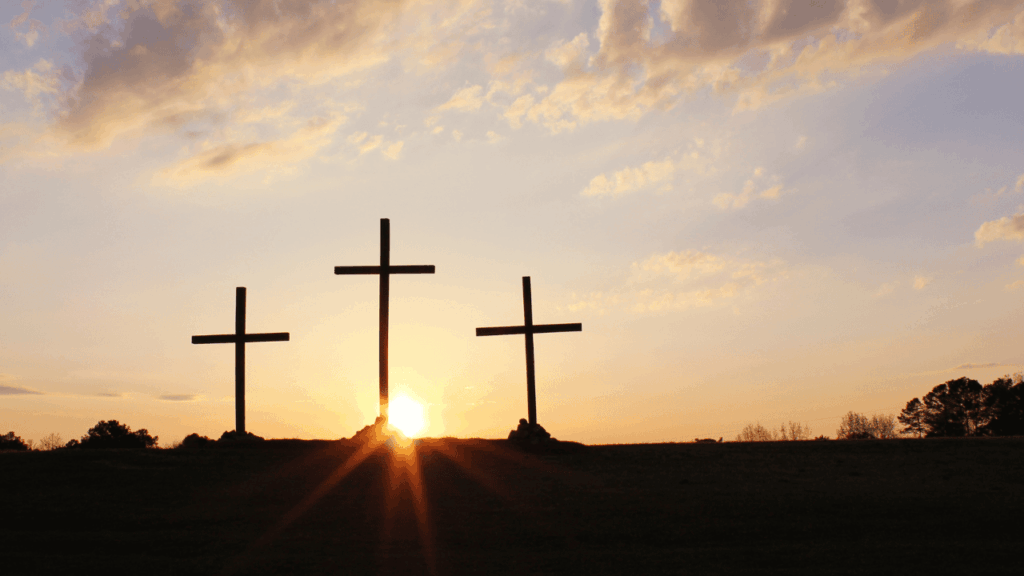
This is the point. The grace of God gave Christ to suffer on the cross. That grace moves people to confess their sins. They can say, “For the sake of Your name, LORD, Forgive my wrongdoing, for it is great.” This is the true reason. The greatness of sin requires a great sacrifice. Yet in view of such a sacrifice, the person does not ask to note that sin was small. Instead, he speaks of forgiveness because it was so great.
Summary: If we confess how great our sins are, it shows a sincerity produced by God. Whoever does not play down his sins shows trust in God’s mercy. That mercy was shown at the cross on Golgotha. A sincere soul that relies on this mercy can be conscious of the forgiveness of sins.









Comments (0)
No comments yet.