The text explains Jesus’ “twelve hours” in John 11:9 as the Father-determined span of life and applies this to human life and world history, then outlines twelve distinct “hours” in John’s Gospel as key periods like suffering, grace, worship, persecution, and resurrection.
John 11:9
The text explains Philippians 3, warning against mixing law and grace, and traces Paul’s shift from religious credentials to valuing Christ above all, pressing toward a heavenly goal, contrasting mindsets, and highlighting believers’ citizenship in heaven and future transformation.
Philippians 3
A very frequent question that many struggle with: When should a sister in Christ cover her head? Is this necessary when answering a biblical question? Let’s see what Scripture says about this.
1 Corinthians 11:1-11
This article deals with God’s governmental ways, exploring how God enforces justice through the principle of “sowing and reaping,” affecting all, including believers, while balancing discipline with grace and love.
Galatians 6:7
This article deals with the hidden dangers in life, drawing parallels between the risks of a steep railway and spiritual vigilance, urging constant awareness to avoid pitfalls and maintain a steady course.
Song of Songs 2:15
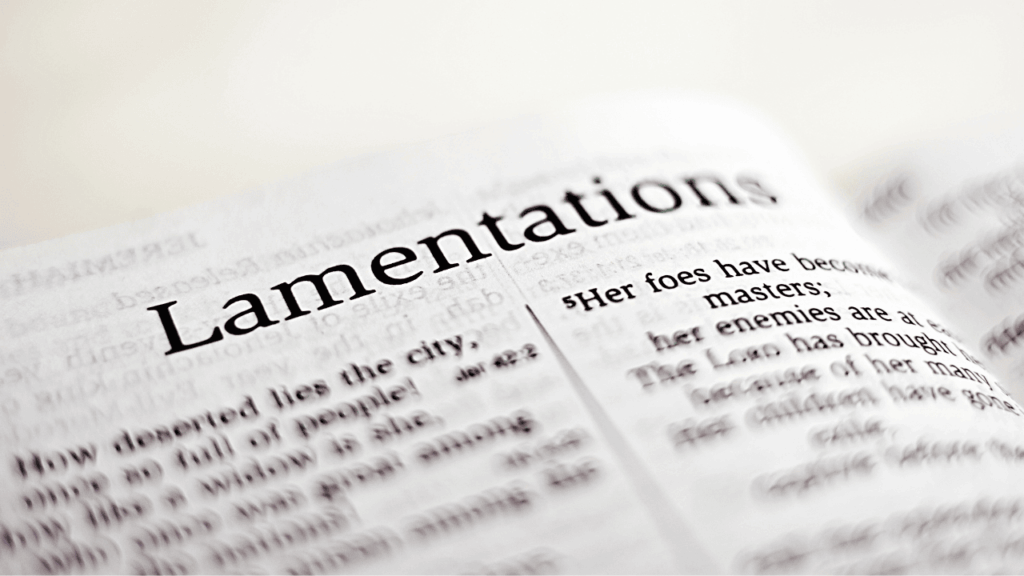
This article deals with the timeless themes of suffering and hope in the biblical book of Lamentations, exploring its lessons on God’s judgment, repentance, and the enduring faithfulness and mercy of the Lord amidst despair and spiritual decline.
Lamentations 3:57
In this article, Proverbs 7 is examined as a sober warning about temptation, responsibility, and moral danger, with practical lessons for believers living in a highly sexualized world.
Proverbs 7:10-23
From a sleepless night to a stunning reversal, Mordecai’s public exaltation points prophetically to Christ’s glorious return before all the world. In the same divine sequence, Haman’s fall foreshadows the final judgment of the Antichrist, revealing how God turns threat into triumph.
Esther 6-7
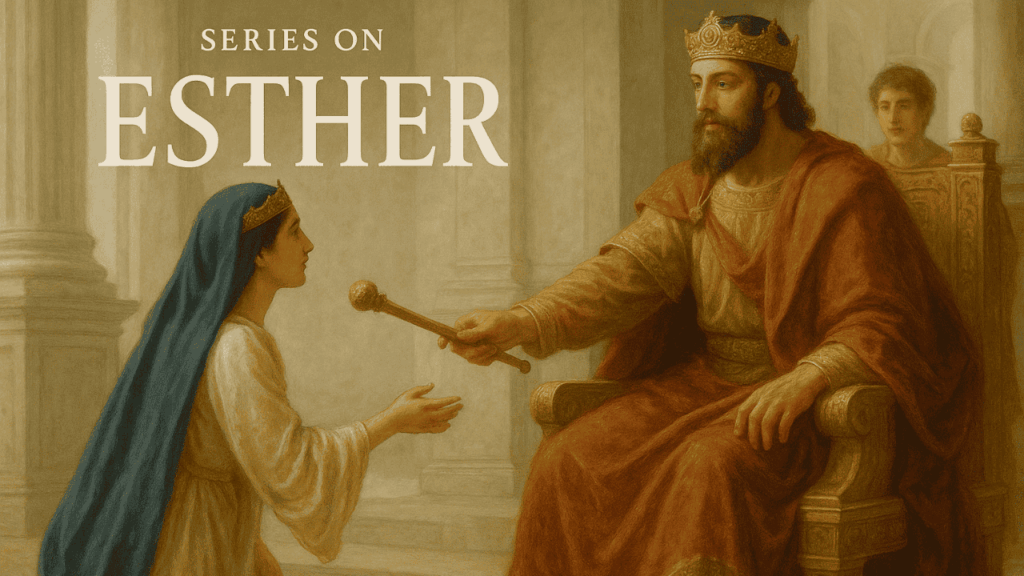
What unfolds when desperation drives someone to seek favor they cannot claim by right? This article follows Esther’s hesitant approach to the king as a symbolic portrayal of a weary remnant drawing near to God, emphasizing themes of grace, struggle, and emerging trust.
Esther 5
In this article, we consider how Haman in the book of Esther foreshadows the Antichrist, illustrating his rise to power, demand for worship, and violent persecution of God’s people during the Great Tribulation.
Esther 3
This article brings Esther – a picture of the future jewish remnant – and Mordecai – a picture of the Lord Jesus – before us.
Esther 2
In this article, we see how Vashti in the book of Esther pictures a merely professing church that outwardly claims association with God but, through pride and disobedience, ultimately comes under divine judgment.
Esther 1
In this article, we see how King Ahasuerus in the book of Esther serves as a picture of God’s sovereign rule and how his great banquet beautifully illustrates the gospel of God’s grace, invitation, rest, and joy.
Esther 1
Luke’s Gospel highlights five individuals who took their place at the feet of Jesus, each driven by need, gratitude, or a desire to learn. Despite their unworthiness, they were drawn to Him and found help, peace, or instruction. Their encounters provide valuable lessons for believers today.
Luke 7:37-38; 8:35,41-42; 10:39; 17:15-16
Romans teaches that believers are no longer guilty before God—yet Paul reminds us we still have sacred obligations. We owe the gospel to the lost, love to our neighbor, care to the weak, and support to those who serve us spiritually. These debts shape the daily life of every Christian.
Romans 1:14; 8:12; 13:8; 14:1; 15:27
Have you ever wondered if God has a plan for your life? He does—and it’s bigger and more amazing than we can imagine. From eternity past, He has had a purpose for you, a role that is part of His incredible plan. Discover what this means.
Romans 8:29-30
Are today’s miracle healers truly doing God’s work—or something else entirely? This thoughtful study examines what Scripture really says about healing, miracles, and faith, reminding believers to stay grounded in God’s Word rather than emotional displays or deceptive signs.
1 Corinthians 12:10,28-29; James 5:14-18
The devil’s two faces—violence and deceit—still shape his attacks today. This insightful reflection unveils how Satan tempts believers as both roaring lion and cunning serpent, and how God’s Word and steadfast faith equip us to resist his lies and stand firm in victory.
John 8:44; 1 Peter 5:8-9; 2 Corinthians 11:3; Ephesians 6:11
The resurrection is the heartbeat of the gospel—the truth on which all others stand. In 1 Corinthians 15, Paul proclaims that because Christ rose, believers will too. From the empty tomb flows assurance, power, and hope: Jesus lives, reigns, and will one day raise His own in glory.
1 Corinthians 15:1-58
Written to a church in turmoil, 1 Corinthians remains strikingly relevant today. Amid division, immorality, and confusion, Paul calls believers back to unity, purity, and love. From Corinth’s chaos emerges timeless truth — and the most beautiful chapter on love ever written.
1 Corinthians 1:1-2