
Elisha kills

Descipleship

17And it shall come about that the one who escapes from the sword of Hazael, Jehu shall put to death, and the one who escapes from the sword of Jehu, Elisha shall put to death.

1 Kings 19:17

It is often mentioned that Elijah, the prophet of judgment, anointed Elisha, the prophet of grace, as his successor. Elijah had personally killed the 450 false prophets of Baal. This verse says that Elisha would also kill the enemies of the Lord, but this seems completely out of character for him. Elisha was the prophet who dispensed mercy and blessing on the widows and lepers, on the hungry and needy. In what way did Elisha himself ever kill anyone?

It is the case that a passage of Scripture that at first seems puzzling always ends up offering something particularly illuminating and encouraging. There may be several ways to answer this question about Elisha, but one idea comes from the words of the prophet Hosea. Through Hosea, God described the unfaithfulness of his people and then added, “Therefore I have hewn them by the prophets, I have slain them by the words of My mouth” (Hos. 6:5). Despite his ministry of grace, Elisha spoke with the authority of God, and he was not lenient with sin. To an unfaithful king, he said, “What have I to do with you? Go to the prophets of your father and the prophets of your mother” (2 Kings 3:13). To a selfish servant, he asked, “Is it time to receive?” (2 Kings 5:26). When a royal official mocked him, he promised that the man would see the Lord’s blessing but would never enjoy it personally (2 Kings 7:2).

The Lord’s words have a great impact when they are spoken with power. If we, too, want to serve the Lord, we should use His word with vigor. It is pleasing to God to pick apart the arguments of those who deliberately take an anti-God stance. The Word of God, like a sharp, double-edged sword, will always expose the thoughts and intentions of the heart.


Comments (0)

No comments yet.

Share this article:

You want to contact us? Ask a question or let us know what you think! 

Write a message here!

Leave a Comment

Abiding in Christ

This article is about abiding in Christ as both privilege and responsibility: only by living in dependence on His presence can believers bear “fruit” that reflects His character. It stresses that fruit isn’t produced by striving for it, but by focusing on Christ—“without Me you can do nothing.”
John 15:4–5

The Favor of the World

This article is about how the world’s praise can be shallow and fleeting. Using Nebuchadnezzar’s reaction to Daniel and the crowd’s reversal toward Paul, it warns that exaggerated favor can quickly turn into hostility without true inner change.
 Daniel 2,46

Which Believers Go Through the Great Tribulation?

This article is about whether today’s Christians will face the Great Tribulation. It argues the church will be raptured before end-time wrath, explains the rapture vs. Christ’s public appearing, and identifies the believers in Revelation’s tribulation as those who come to faith after the rapture.
Marriage & Family

Situationship

This article is about “situationships”: undefined, commitment-free relationships that blur friendship and romance. Using Leon and Emma as an example, it warns they create imbalance and hurt, and argues from a biblical view for clarity, responsibility, protection, purity, and commitment toward marriage.
Amos 3:3

The Hummingbird – a Masterpiece of God’s Creation

This article is about the hummingbird as a marvel of nature—exploring its unique hovering flight, specialized wing and muscle structure, extreme metabolism, nectar-feeding tongue design, and cooling methods, framed as evidence of divine creative power.
Romans 1:20

Scripture Alone?!

This article is about whether 2 Timothy 3:16–17 undermines “Scripture alone.” It argues the passage supports Scripture’s sufficiency, distinguishes apostolic teaching from later tradition, affirms NT authority, and says the church recognized—not created—the canon.
2 Timothy 3:16.17

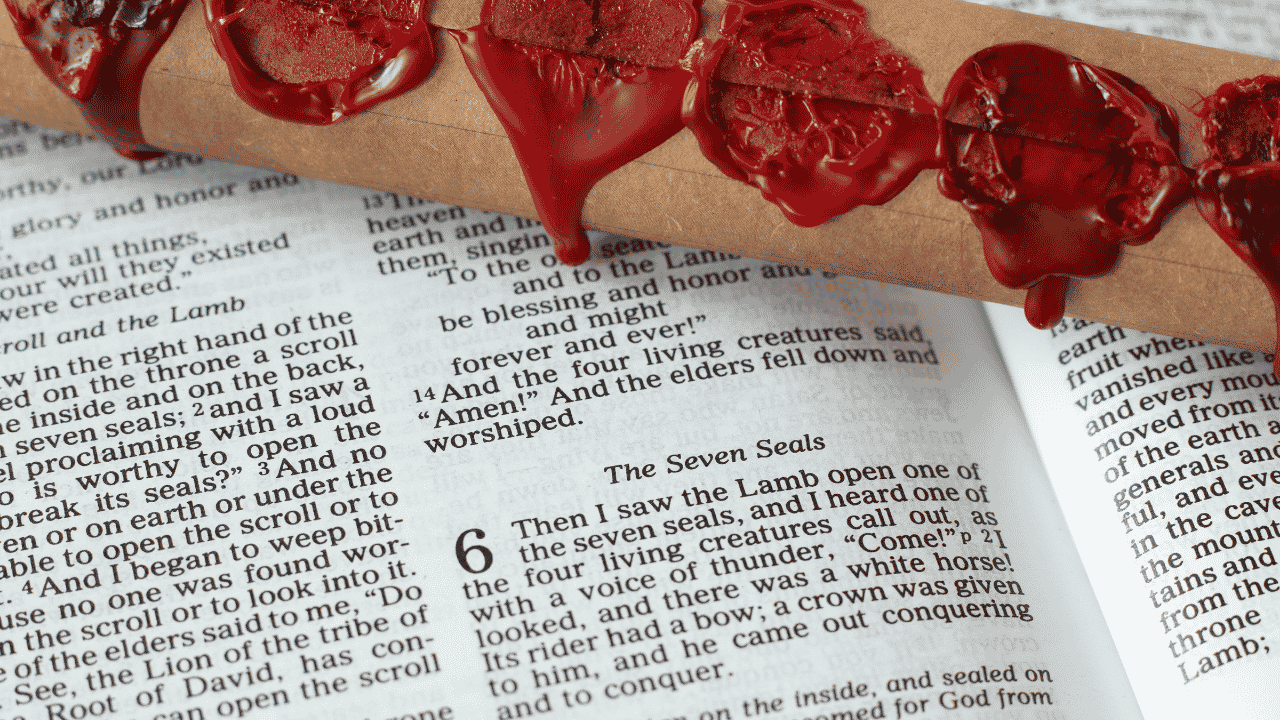
Revelation—Not a Book with Seven Seals!

This article is about why the Bible’s book of Revelation isn’t a sealed mystery but an “unveiling” of future events centered on Jesus Christ. It explains key opening verses, symbolic language, the chain of revelation, and the blessing for reading, hearing, and keeping its message.
Revelation 1:1-3
Gospel

My Sin is Great

This article is about sincere confession: admitting our sin is great and seeking forgiveness for God’s name’s sake. It explains that faith trusts God’s mercy shown in Christ’s cross, producing honesty that doesn’t downplay guilt, and notes the Psalms’ purposeful order.
Psalm 25:11
Church/Assembly

All Present Before God

This article is about Acts 10:33 and Cornelius’s gathering as a model for Christian meetings: obedience to God’s leading, awareness of God’s presence, listening to the whole message without picking parts, and speaking only what God commands—nothing added or omitted.
Acts 10:33

Q&A What does it mean, that God has given us “of His Spirit”

This article is about the meaning of “from His Spirit” in 1 John 4:13, explaining it doesn’t mean believers receive only part of the Spirit. Instead, it highlights what proceeds from God’s Spirit—love, truth, holiness—becoming visible evidence that God abides in us.
1 John 3:24; 4:13

Our Great High Priest

This article is about Jesus as the superior High Priest in Hebrews: His once-for-all sacrifice for sin, His ongoing heavenly service with compassion and help for believers, and His continual intercession before God that brings grace, mercy, and confidence to draw near.
Hebrews 2:17–18; Hebrews 7:25; Hebrews 9:24
Bible Study

The Old Man and The New Man

This article is about the New Testament concepts of the “old self” and “new self”: the old self judged and crucified with Christ, the new self created in His resurrection, and how believers should live out their new identity by putting off old traits and displaying Christlike ones.
Romans 6:6; Ephesians 2:15; 4:22.24; Colossians 3:9.10